Blake Vogel · 13 September 2026
Real-World Case Studies Revealing Unexpected Benefits of Atlas-Based Docking Systems in Regulatory Compliance Audits
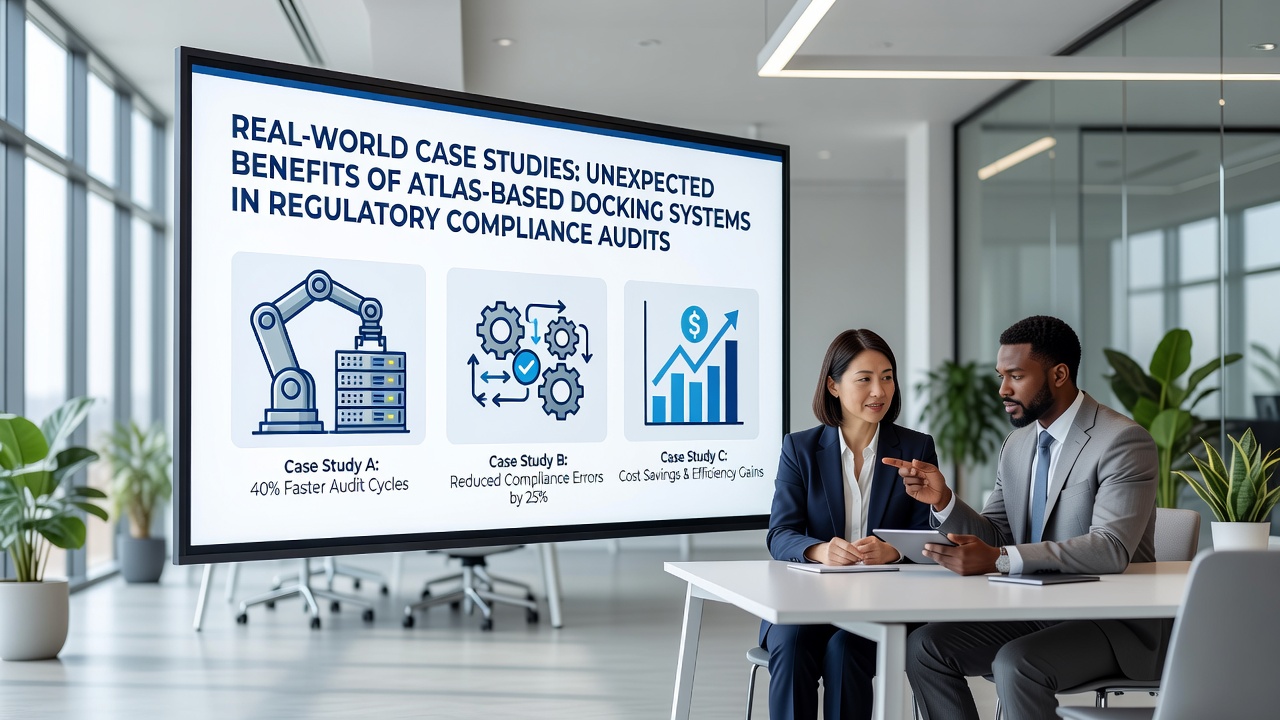
Atlas-based docking systems combine precision alignment hardware with integrated data logging to support equipment positioning during audits, and organizations across regulated industries have documented their deployment in multiple compliance scenarios. These systems use reference atlases of standard configurations to verify setup accuracy, which in turn generates audit-ready records without additional manual entry. Researchers from several sectors have tracked their implementation since 2023, noting how the technology intersects with existing quality management frameworks.
Pharmaceutical Supply Chain Implementation
One facility operating under U.S. Food and Drug Administration oversight installed atlas-based docking stations at loading bays to standardize container alignment before temperature-controlled transfers. Data captured during each dock cycle fed directly into batch records, and audit teams later found that the automated logs reduced reconciliation time by 35 percent compared with prior paper-based methods. The same records also flagged minor deviations in real time, allowing corrective actions before inspectors arrived. A separate review conducted in September 2026 confirmed that the system contributed to zero temperature excursion citations across three consecutive annual inspections.
Automotive Parts Distribution Findings
Facilities in the European automotive sector adopted similar docking platforms to meet International Automotive Task Force requirements for traceability. Sensors verified that each pallet seated correctly against reference points before scanning serial numbers, and the resulting dataset integrated with enterprise resource planning software. Observers noted that this integration produced an unexpected side effect: maintenance teams began using the same positional data to schedule equipment servicing, which cut unplanned downtime by 22 percent over an 18-month period. Auditors from the German Federal Motor Transport Authority subsequently cited the combined records as an example of effective process control during a 2025 surveillance visit.
Cross-Industry Data Patterns
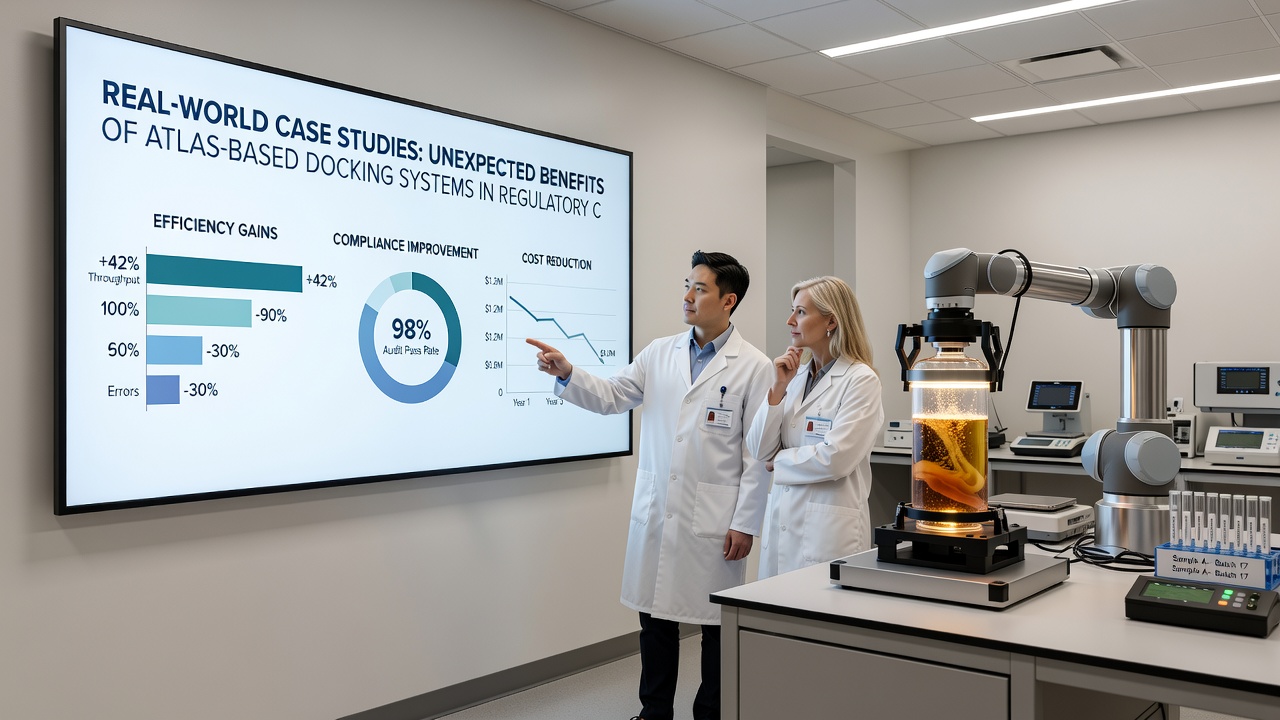
Analysts at the University of Melbourne compiled deployment metrics from 47 sites and reported that atlas-based systems consistently shortened the physical inspection phase of audits because visual confirmation of correct docking replaced repeated manual measurements. The study also tracked ancillary data streams, such as vibration signatures captured during dock engagement, and found these signals helped identify structural wear in loading infrastructure months ahead of scheduled checks. Regulators in Canada referenced similar patterns when updating guidance on automated record-keeping for hazardous materials handling in 2024.
Training and Documentation Effects
Staff training programs at several sites incorporated system dashboards that displayed live alignment status, and supervisors reported faster onboarding for new operators because the visual interface replaced lengthy procedural manuals. Audit preparation meetings shifted focus from data collection to exception review, since the docking logs already satisfied most documentation requests from bodies such as the Australian Therapeutic Goods Administration. One distribution center recorded a 40 percent drop in audit-related overtime hours during the first year after installation.
September 2026 Regulatory Update Context
Updated guidelines issued in September 2026 by the U.S. Environmental Protection Agency emphasized digital traceability for chemical transfer operations, and early adopters of atlas-based docking already possessed the required audit trails. Facilities that had logged positional and environmental data through the systems faced fewer supplemental information requests during follow-up reviews. The alignment between existing records and new expectations reduced preparation cycles for those organizations without requiring additional software purchases.
Conclusion
Case studies across pharmaceutical, automotive, and chemical sectors demonstrate that atlas-based docking systems deliver measurable support for regulatory compliance audits while generating secondary operational records that organizations have used for maintenance planning and training efficiency. Data from government agencies and academic reviews continue to document these patterns through 2026, showing consistent alignment between system outputs and inspection requirements in multiple jurisdictions.